

SDDC is a Swiss based network advocating for the rights and inclusion of persons with disabilities in Switzerland's international cooperation.
Copyright CBM
What's new?
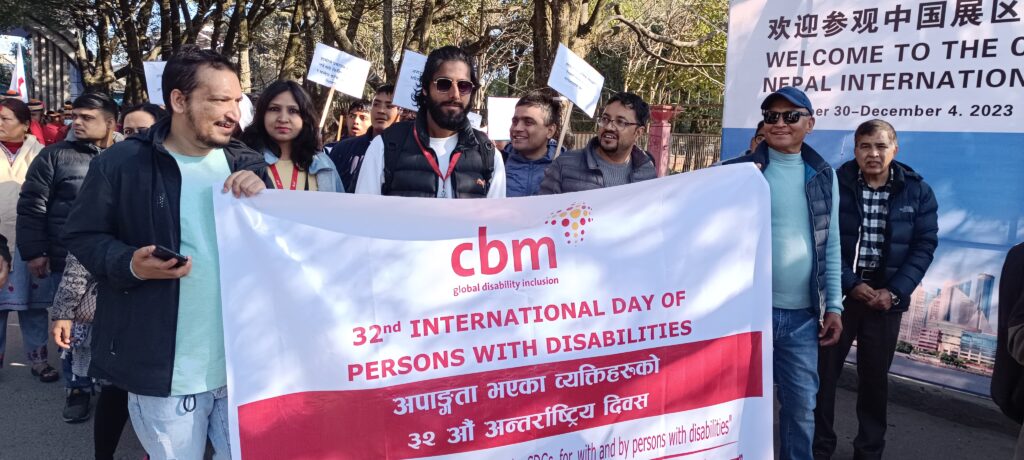
The 32nd International Day of Persons with Disabilities is being celebrated with various programs in Nepal on December 3, 2023 under the theme “United in action to rescue and achieve the SDGs for, with and by persons with disabilities.” The celebration was organized in collaboration with the National Disabled Federation of Nepal and the Ministry of Women, Children and Senior Citizens, and various partners. Honorable Minister Surendra Raj Acharya, Ministry of Women, Children and Senior Citizens, was the honorary guest on the rally. It started at Bhadra Kali, New Road Gate, Shanti Batika, Ratnapark and ended at Bhrikuti Mandap.
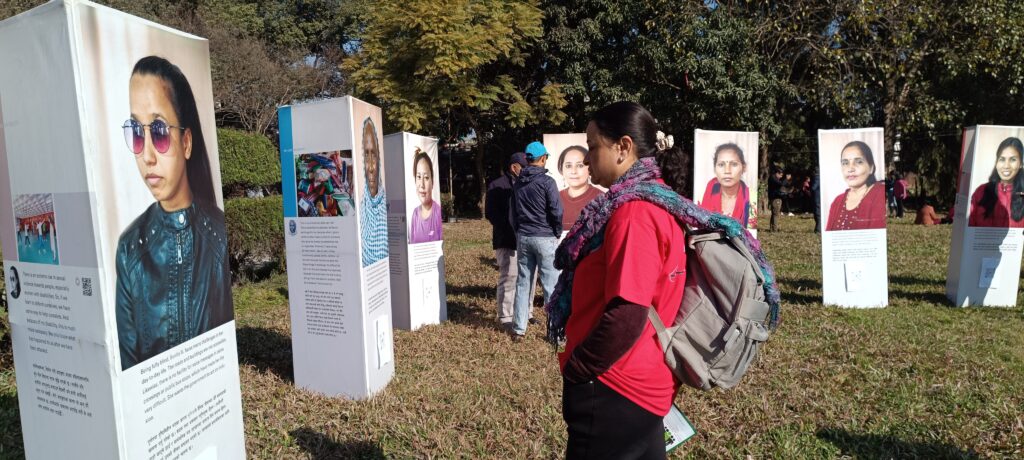
On this occasion, ‘My lens, my reality’, a Photovoice Exhibition was held in Bhrikuti Mandap. The Photovoice exhibition is based on a study that highlights the perspectives of ten women with disabilities in Nepal and shows how they managed to actively participate in society with adequate support and awareness.
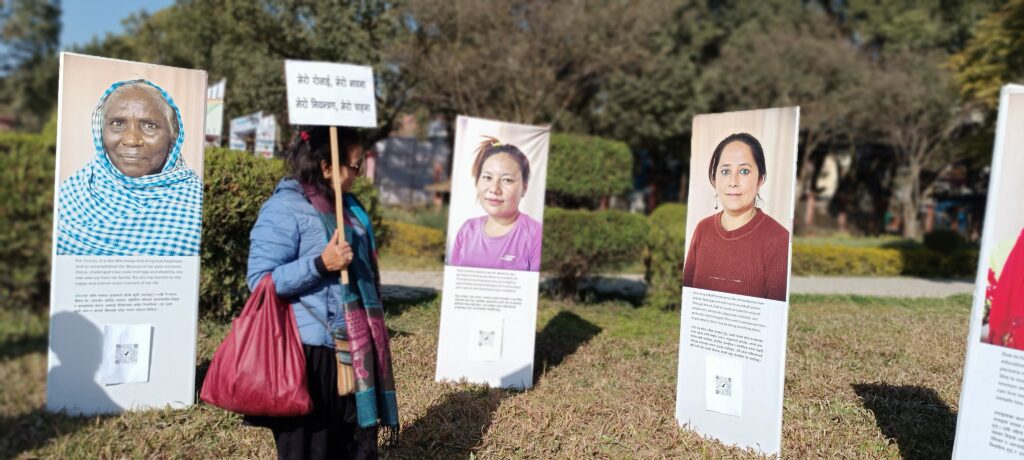
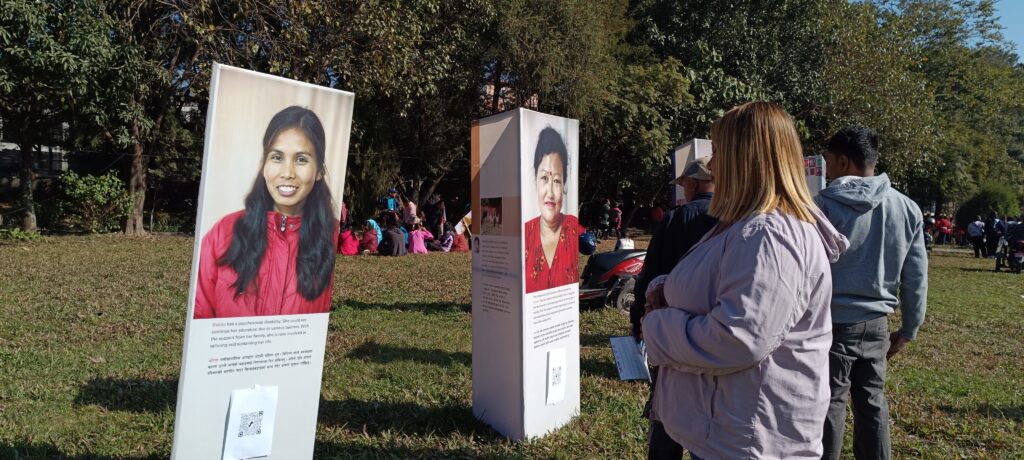
The event was dedicated to the contribution of women with disabilities to society, and overcoming barriers to their inclusion. The ceremony was concluded with the audience observing the photo exhibition in the gardens of the Bhirkuti Mandap Exhibition.
Die Schweiz hatte im Mai 2023 den Vorsitz im Sicherheitsrat der Vereinten Nationen. Schwerpunktthemen waren die Förderung des nachhaltigen Friedens und der Schutz der Zivilbevölkerung. Als nichtständiges Mitglied bot sich der Schweiz dadurch die Gelegenheit, die Inklusion von gefährdeten Gruppen in Konfliktsituationen auf höchster diplomatischer Ebene zu thematisieren. Leider war das Thema der Inklusion von Menschen mit Behinderungen keine Priorität für die Schweiz.
Im jährlichen Bericht zum Schutz der Zivilbevölkerung in bewaffneten Konflikten, für den UNO-Generalsekretär Antonio Guterres verantwortlich ist, ist Menschen mit Behinderungen ein eigenes Unterkapitel gewidmet. Dies war noch vor wenigen Jahren nicht der Fall und ist deshalb zu begrüssen. Der Bericht macht auf die Barrieren aufmerksam, mit denen sich Menschen mit Behinderungen in Konflikten konfrontiert sehen: Die Flucht wird ihnen häufig durch nicht zugängliche Transportmittel, Zufluchtsorte und Warnsysteme erschwert oder gar verunmöglicht, wodurch ihr Leben gefährdet wird.
Rückblick auf die Aktivitäten in der Themenwoche zur Zivilbevölkerun
Ende Mai lag der Fokus des Sicherheitsrats während einer Woche auf dem Schutz der Zivilbevölkerung. Unter der Leitung von Bundespräsident Alain Berset diskutierte der Sicherheitsrat deren Sicherheit und Würde in bewaffneten Konflikten, sowie den Zugang zu zentralen Dienstleistungen wie der medizinischen Versorgung.
In diesem Rahmen fand am 23. Mai ein von der polnischen UNO-Mission organisierter Side-Event zur Implementierung der Resolution 2475 statt. Diese verpflichtet die Schweiz und andere Länder, «den Schutz, die Sicherheit und die Achtung der Würde von Menschen mit Behinderungen und die Achtung der Würde von Menschen mit Behinderungen in Risikosituationen, einschliesslich bewaffneter Konflikte, zu fördern.» Elham Youssefian von der CBM-Partnerin International Disability Alliance (IDA) betonte die wichtige Rolle von Organisationen von Menschen mit Behinderungen in der Bekämpfung von Verstössen gegen Kinder mit Behinderungen in bewaffneten Konflikten. Damit humanitäre Hilfeleistungen für sie inklusiv gestaltet werden können, so die Expertin, brauche es unter anderem einen Kapazitätsaufbau beim Personal von Verwaltungen und Militär sowie ein Umdenken bei der Information der Bevölkerung: Warnungen und Instruktionen etwa müssen auch in Leichter Sprache und in Gebärdensprache verbreitet werden.
Menschen mit Behinderungen sichtbar machen und inkludieren
Positiv hervorzuheben ist, dass Menschen mit Behinderungen im Sicherheitsrat tendenziell häufiger sichtbar sind. So werden sie in einigen Statements der Schweizer UNO-Mission explizit erwähnt. Erfreulich ist auch, dass die Schweizer Delegation das Thema in anderen Gremien vorbringt. An der Konferenz der Teilnehmerstaaten der UNO-Behindertenrechtskonvention (UNO-BRK) vom 13. bis 15. Juni 2023 organisiert sie einen Side-Event zum «Schutz von Menschen mit Behinderung in Situationen bewaffneter Konflikte: Pflichten und Umsetzung gemäss der UNO-BRK und dem humanitären Völkerrecht».
Diese Entwicklungen sind zu begrüssen, doch werden sie der Realität noch nicht gerecht. Aufgrund von bestehenden Barrieren sind Menschen mit Behinderungen in bewaffneten Konflikten und anderen humanitären Krisen noch immer überproportional betroffen.
Vor diesem Hintergrund fordert die CBM die Schweiz auf, in den verbleibenden rund eineinhalb Jahren ihrer Mitgliedschaft im UNO-Sicherheitsrat eine proaktive Rolle einzunehmen und sich verstärkt für die Inklusion von Menschen mit Behinderungen in humanitären Massnahmen einzusetzen.
Für mindestens eine von der Schweiz organisierte offene Debatte soll eine Person mit Behinderung eingeladen werden, um den Mitgliedern des Sicherheitsrats die Auswirkung bewaffneter Konflikte auf Menschen mit Behinderungen zu erläutern. Denn Menschen mit Behinderungen sind die Expertinnen und Experten, was ihre eigene Inklusion betrifft.
Zentral ist ausserdem, dass die Schweiz sowie die anderen Länder Menschen mit Behinderungen in Berichten und Statements explizit erwähnen, statt sie lediglich unter «benachteiligten» oder «besonders gefährdeten Gruppen» zusammenzufassen. Nur so kann sichergestellt werden, dass sie nicht zurückgelassen werden. Auch die Resolutionen, die sich unter anderem mit der Situation von Menschen mit Behinderungen in Konfliktsituationen beschäftigen, sollen stärker hervorgehoben werden, zum Beispiel die Resolutionen 2417 (Bewaffnete Konflikte und Nahrungsmittelsicherheit) und 2573 (Schutz unverzichtbarer ziviler Objekte). Darüber hinaus hat sich die Schweiz zwar schon länger für die Umsetzung der im Jahr 2000 verabschiedeten Resolution 1325 des Sicherheitsrates zu Frauen, Frieden und Sicherheit eingesetzt. Diese Resolution des Sicherheitsrats und die Folgeresolutionen sowie die UNO-BRK verpflichten die Schweiz und andere Staaten jedoch dazu, den Schutz von Frauen mit Behinderungen auch in Konflikten zu gewährleisten. Frauen mit Behinderungen wurden bisher noch kaum thematisiert.
[custom-twitter-feeds]
Key Messages
How can Switzerland ensure the rights of persons with disabilities in the Global South?
Langue des signes LSF

No guidelines, no priority. Switzerland needs guidelines to inform its work on the inclusion of persons with disabilities in its international cooperation. Current efforts on disability inclusion are small scale, ad-hoc and mostly segregating.

Nothing about us, without us! Switzerland must ensure the full and active participation of persons with disabilities throughout all processes affecting them, including in its international cooperation. Arrangements must be made to enable their participation.

What isn’t counted, doesn’t count. Switzerland has committed itself to be a leader on data collection, but it is not systematically collecting and disaggregating data on disability in its international programmes.

Leave no one behind in humanitarian crises. Persons with disabilities are disproportionately affected in humanitarian crises. Switzerland committed itself to making its humanitarian action inclusive of persons with disabilities, but it is not clear how it is living up to its commitment.

What isn’t budgeted for, doesn’t get done. Switzerland must sufficiently budget for the inclusion of persons with disabilities in its international cooperation and must commit itself not to finance programs and services that segregate persons with disabilities from the community.